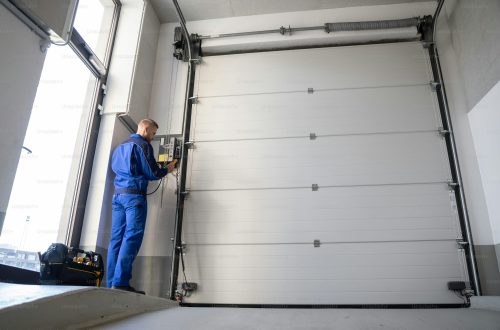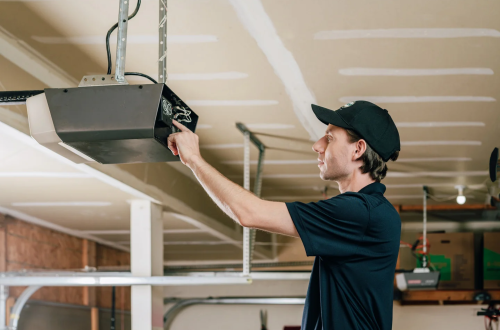
Your garage door is one of the most frequently used entry points to your home. Yet, many homeowners overlook the importance of regular maintenance, particularly when it comes to the springs that bear the door’s weight. Proper lubrication of these springs is a simple, cost-effective measure that can prevent the need for costly repairs and ensure the longevity of your garage door system.
Understanding the Role of Garage Door Springs
 Garage doors rely on two main types of springs: torsion springs, which are mounted horizontally above the door, and extension springs, located on either side of the door. These springs counterbalance the weight of the door, making it easier to open and close. Over time, the constant tension and movement can lead to wear and tear, especially if the springs are not properly maintained.
The Importance of Lubrication
Lubricating your garage door springs is crucial for several reasons:
- Reduces Friction: Lubrication minimizes metal-on-metal contact, reducing wear and tear on the springs.
- Prevents Rust and Corrosion: Regular application of lubricant creates a protective barrier against moisture, preventing rust that can weaken the springs.
- Extends Lifespan: Well-lubricated springs experience less stress and are less likely to break prematurely.
- Quieter Operation: Lubrication reduces noise, leading to smoother and quieter door movement.
Choosing the Right Lubricant
Not all lubricants are suitable for garage door springs. Experts recommend using silicone-based sprays or white lithium grease, as they provide long-lasting lubrication without attracting dust and debris. Avoid using WD-40, as it is a degreaser and can remove existing lubrication, potentially causing more harm than good.
How to Lubricate Your Garage Door Springs
Proper lubrication involves more than just spraying the springs. Follow these steps to ensure effective maintenance:
- Safety First: Disconnect the garage door opener to prevent accidental movement. Ensure the door is closed and secured.
- Clean the Springs: Wipe down the springs with a clean cloth to remove dust and debris. This ensures the lubricant adheres properly.
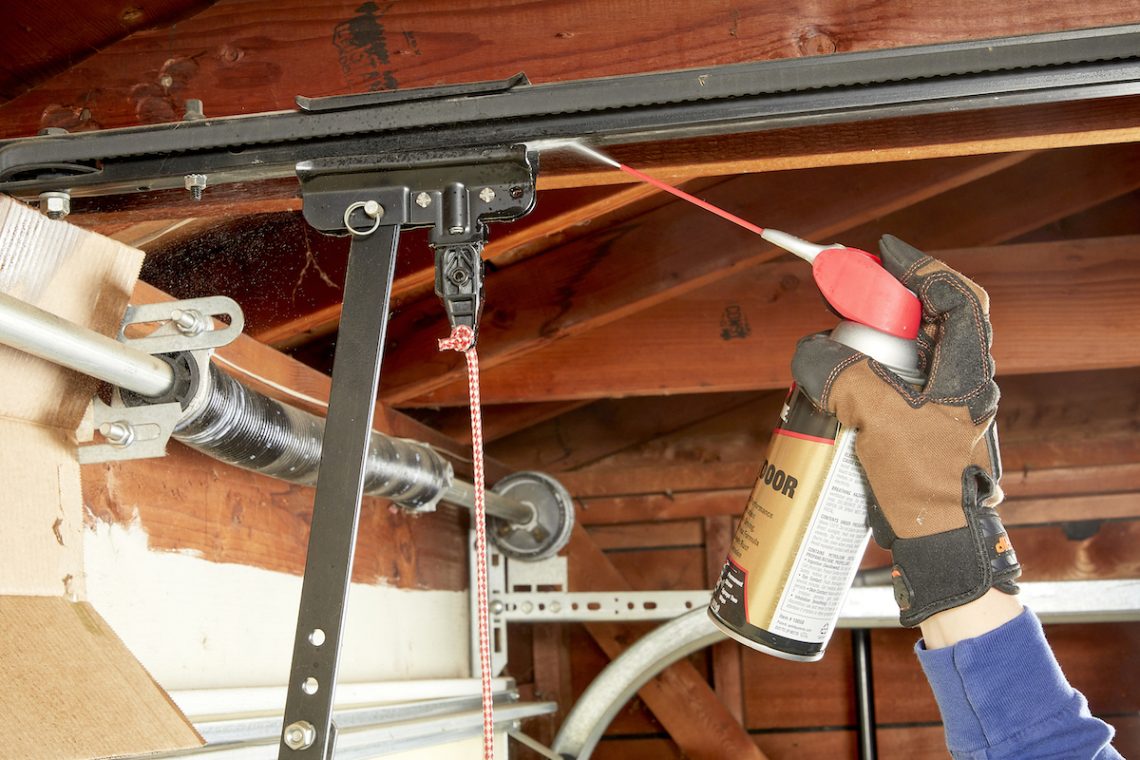
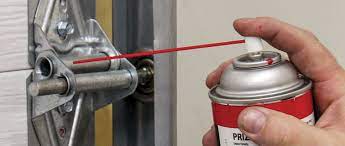
- Apply Lubricant: Spray a moderate amount of lubricant along the length of each spring. Use a cloth to spread it evenly, ensuring full coverage.
- Operate the Door: Manually open and close the door several times to distribute the lubricant throughout the springs.
- Inspect Other Components: While you’re at it, check and lubricate other moving parts like hinges, rollers, and tracks for comprehensive maintenance.
Frequency of Lubrication
It’s recommended to lubricate your garage door springs at least twice a year. However, if you live in a region with high humidity or extreme temperatures, more frequent lubrication may be necessary to combat rust and ensure smooth operation.
When to Seek Professional Help
While regular lubrication can prevent many issues, some signs indicate the need for professional assistance:
- Visible Gaps in Springs: This could indicate a broken spring, which requires immediate replacement.
- Excessive Noise: Persistent squeaking or grinding noises may signal deeper issues beyond lubrication.
- Uneven Door Movement: If the door is jerky or doesn’t open smoothly, the springs may be out of balance.
In such cases, it’s best to consult a professional garage door technician to assess and address the problem safely.
Regular lubrication of your garage door springs is a simple yet effective way to prevent the need for repairs, extend the lifespan of your door, and ensure safe, quiet operation. By incorporating this maintenance task into your routine, you can avoid unexpected breakdowns and costly repairs.
For comprehensive garage door maintenance and repair services, consider reaching out to professionals who can provide expert care and ensure your garage door remains in optimal condition.